Top Technologies for Driver-Dispatcher Communication in 2026

Technologies for Driver Dispatcher Communication: Beyond Phones and Paper
Imagine your dispatcher sends a critical route update, but your driver never receives it. The result is a missed delivery window, a frustrated customer, and direct financial loss. This scenario isn't a hypothetical, it’s a daily reality for many American fleets. In fact, communication breakdowns are so costly that a single miscommunication can cost an average of $15 per ride due to refunds and idle time, with studies showing that 57% of drivers are dissatisfied with their dispatchers' communication methods.
For nearly two decades at HakunaMatataTech, we’ve partnered with U.S. logistics companies and fleet operators, executing over 500 digital transformations. We’ve seen firsthand how the backbone of American commerce, its transportation networks, is being strained by outdated communication tools. This blog will dissect why traditional methods like phones and radios fail modern operations and how purpose-built technologies, including real-time dispatch platforms and integrated communication systems, are not just improving efficiency but are essential for survival in today’s market.
Modern driver-dispatcher communication is built on integrated, real-time platforms that replace scattered calls and texts with centralized, data-rich systems featuring GPS tracking, automated alerts, and in-app messaging to eliminate errors and boost operational efficiency across U.S. fleets.
The High Cost of Communication Breakdowns in U.S. Logistics
The American trucking industry is monumental, responsible for about 80% of U.S. freight costs, which totaled roughly $940 billion in 2022. Yet, beneath this scale lies a persistent vulnerability: fragile communication. Legacy systems reliant on phones, paper logs, and radio chatter create costly gaps.
The impact is multifaceted. Operationally, it leads to missed pickups, delayed deliveries, and increased deadhead miles. Financially, the toll is staggering. Beyond immediate per-incident losses, companies face broader revenue hits from systemic inefficiencies. A 2022 study found that organizations experienced three significant supply chain disruptions annually, leading to a combined average of $182 million in lost revenue. For dispatchers and drivers, the human cost is stress, frustration, and burnout from constantly managing chaos rather than executing a smooth plan.
The core issue is that information exists in silos. A route change communicated via a phone call isn’t logged in the system for accounting. A driver’s text about a delay doesn’t automatically update the customer portal. This lack of synchronization turns minor road hiccups into major operational failures, eroding trust with clients and drivers alike.
Essential Features of a Modern Dispatch Communication System
Transitioning from problem to solution requires understanding the pillars of an effective system. A modern platform isn’t a single tool but a unified ecosystem.
Based on our work with U.S. carriers, here are the non-negotiable features that close communication gaps.
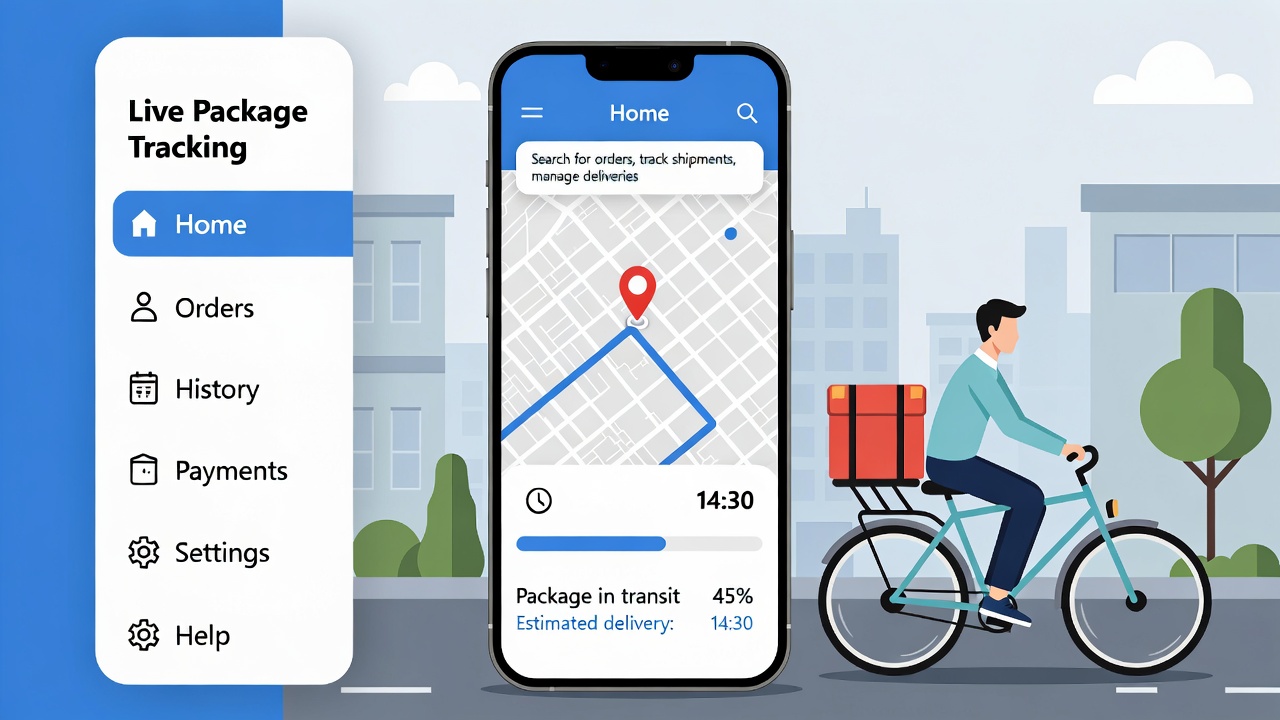
- Real-Time GPS Tracking and Visibility: This is the fundamental layer. Knowing a vehicle’s exact location on a live map transforms decision-making. Dispatchers can proactively manage delays, reroute around traffic, and provide accurate ETAs to customers. This visibility has been shown to reduce customer "check-in" calls by up to 80%, freeing dispatchers to focus on higher-value tasks.
- Centralized, In-App Communication: This eliminates the scatter of WhatsApp, SMS, and phone calls. A unified in-app messaging system ties every conversation to a specific load or vehicle. Messages are logged, creating an audit trail and providing context. This shift from "Did you get my text?" to a confirmed, in-system instruction is transformative for operational clarity.
- Automated Alerts and Notifications: Instead of manual check-calls, the system automatically pushes status updates. Alerts can be configured for dispatchers (e.g., driver nearing HOS limits), drivers (e.g., updated delivery instructions), and customers (e.g., shipment delayed by 30 minutes). This proactive communication keeps all stakeholders aligned without adding to the dispatcher's workload.
- Mobile-First Design for Drivers: Technology fails if the end-user rejects it. The driver’s interface must be intuitive, requiring minimal taps to confirm loads, upload documents like Bills of Lading (BOLs), or send pre-configured status updates. Ease of use directly drives adoption and ensures critical data flows back to the office.
- Seamless System Integration: A best-in-class dispatch platform acts as a central nervous system. It must integrate with Electronic Logging Devices (ELDs) for compliance, accounting software like QuickBooks, and Telematics systems. This creates a single source of truth, eliminating duplicate data entry and ensuring information consistency across the business.
Comparing Leading Communication Approaches
The evolution from manual methods to integrated platforms represents a quantum leap in capability and control.
The following table highlights the critical differences:
Key Technologies Powering Next-Generation Dispatch
The features above are powered by a convergence of specific technologies that are reshaping U.S. fleet operations.
- Cloud-Based SaaS Platforms: The shift to cloud deployment is dominant, accounting for an estimated 64% of new installations in related fleet software markets. For U.S. companies, this means no upfront hardware costs, seamless updates, and the ability for dispatchers and managers to access the system securely from anywhere. It provides the agility needed to scale operations up or down.
- AI and Machine Learning for Predictive Operations: AI moves systems from reactive to predictive. Algorithms can analyze historical data, traffic patterns, and weather to predict delays and suggest optimal routes before a driver even departs. Machine learning can also improve load matching, pairing trucks with freight to minimize empty miles, a critical factor for profitability.
- IoT and Telematics Integration: The Internet of Things (IoT) brings physical assets into the digital loop. Sensors and integrated ELD data provide real-time insights into vehicle health, driver behavior, and cargo conditions. This integration allows for predictive maintenance alerts and enhances safety monitoring, which are key concerns under U.S. Department of Transportation regulations.
- APIs for Unified Ecosystems: Modern platforms rely on robust Application Programming Interfaces (APIs) to create a best-of-breed tech stack. A dispatch system can connect to a dedicated GPS provider like Samsara, accounting software, and even customer TMS platforms. This interoperability is essential, as closed systems often fail to meet the complex needs of modern logistics.
Building a Connected, Efficient Future for Your Fleet
The journey from communication chaos to operational clarity is not about adding another piece of software; it’s about integrating intelligence into every interaction between your office and the road. The evidence is clear: U.S. fleets that replace phone trees and paper trails with unified, real-time platforms see dramatic gains, cuts in delivery times by 20-25%, reductions in communication overhead by 30%, and substantial boosts in customer and driver satisfaction.
At Hakuna Matata Tech, our 18 years of experience have taught us that successful digital transformation starts by deeply understanding your unique operational workflows. The goal is to provide technology that serves your people, creating a seamless flow of information that builds trust, enhances safety, and drives profitability.
If the hidden costs of communication breakdowns are impacting your bottom line, it’s time to explore a smarter approach. Contact our team today for a personalized consultation. Let’s discuss how a custom-tailored dispatch communication system can turn your operational data into your most powerful asset.